

This article was originally shared by our CraneTech, Inc. affiliate.
Forklifts have long been the backbone of warehouse material handling operations. They are versatile, mobile, and well-suited for transporting palletized loads throughout a facility. For many warehousing and logistics applications, forklifts remain an essential tool.
However, as warehouses continue to handle larger, heavier, and more complex products, many facility operators are discovering that forklifts aren’t always the most efficient—or safest—solution. From oversized freight and industrial equipment to steel products and construction materials, certain loads present challenges that can strain even the most capable forklift fleet.
This is where overhead cranes, hoists, jib cranes, and gantry cranes can provide a significant advantage.
Rather than replacing forklifts, these systems complement them by handling the types of loads and lifting tasks that forklifts often struggle to perform efficiently. Let’s take a closer look at seven ways overhead lifting systems can outperform forklifts in heavy-duty warehouse environments.

Overhead Cranes Handle Heavier Loads with Greater Confidence
Every forklift has a rated lifting capacity, and that capacity can change depending on load dimensions, lift height, and load center. While high-capacity forklifts are available, they often require larger operating areas, specialized training, and substantial investment.
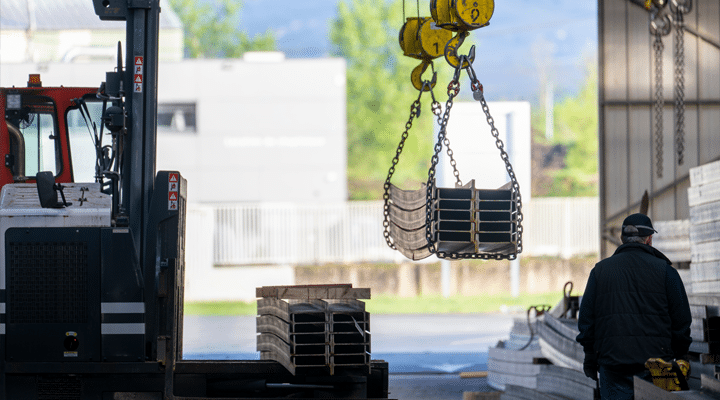
Overhead cranes and hoists, on the other hand, are specifically designed for lifting and moving heavy loads. Whether handling machinery, fabricated steel, large components, generators, transformers, or industrial equipment, an overhead crane can often move loads that would be impractical—or impossible—for a forklift to handle safely. For warehouses serving manufacturing, construction, mining, energy, or steel-processing industries, crane systems provide the lifting power needed to manage heavy inventory with confidence.
These factors significantly increase the likelihood of struck-by incidents, which already account for a large percentage of serious mining injuries
Oversized Loads Are Easier to Control
Weight is only part of the challenge. Many warehouses routinely handle loads that are long, bulky, irregularly shaped, or difficult to balance.
Examples include:
- Structural steel
- Pipe and tubing
- Precast concrete products
- Fabricated assemblies
- Industrial machinery
- Construction materials
- Large crates and equipment skids
Transporting these loads with a forklift can create visibility issues, stability concerns, and maneuvering challenges. The longer the load, the greater the potential for shifting, swinging, or accidental contact with racking, equipment, or facility structures.
Overhead cranes suspend the load from above, allowing operators to maintain greater control while moving materials through the facility. This often results in safer handling and more precise load placement.
Cranes Reduce Warehouse Floor Congestion
Warehouse floor space is valuable.
Every aisle, staging lane, loading area, and storage location contributes to operational efficiency. Forklifts require dedicated travel paths, turning radiuses, and clear operating zones to move materials throughout the facility.
As warehouse activity increases, forklift traffic can contribute to congestion, bottlenecks, and reduced productivity.
Overhead cranes offer a unique advantage by utilizing space above the warehouse floor. Instead of navigating around equipment, inventory, and personnel, materials can be lifted and transported overhead. This allows facilities to maximize floor space while reducing traffic conflicts between forklifts, employees, and stored materials.
Product Damage Can Be Reduced
Material handling incidents don’t always result in injuries. In many cases, they result in damaged inventory.
Forklift operators often work in tight spaces while maneuvering loads around racking systems, dock areas, equipment, and stored products. Even experienced operators can encounter situations where accidental contact occurs.
For warehouses storing expensive equipment, finished products, machinery, or customer-owned assets, product damage can quickly become costly. Overhead cranes provide controlled lifting and precise positioning, helping reduce the number of times a load must be moved, repositioned, or transferred between pieces of equipment. Fewer handling steps often translate into lower risk of product damage and improved inventory protection.
Trailer and Railcar Loading Becomes More Efficient
Loading and unloading freight is one of the most critical functions in any warehouse or logistics operation.
While forklifts excel at handling palletized products, certain loads can be difficult to position inside trailers, containers, or railcars. Large machinery, steel products, oversized assemblies, and industrial components often require a higher level of control during loading operations.
Overhead cranes can lift materials directly from staging areas and place them precisely where needed. This can reduce loading time, improve accuracy, and eliminate the need for multiple forklifts to coordinate a single lift. For warehouses that regularly receive or ship heavy freight, crane systems can become an important part of maintaining efficient dock operations.
Jib Cranes Improve Individual Workstations
Not every lifting application requires a full bridge crane system.
Many warehouses utilize jib cranes to support specific workstations, maintenance areas, packaging stations, repair bays, or shipping departments. These cranes provide localized lifting assistance within a defined work area, allowing employees to move heavy items without excessive manual effort.
Common applications include:
- Loading parts onto workbenches
- Positioning equipment for inspection
- Supporting maintenance activities
- Transferring products between processes
- Assisting with packaging operations.
By reducing repetitive lifting and awkward movements, jib cranes can improve ergonomics and help reduce the risk of workplace injuries.
Gantry Cranes Extend Lifting Capabilities Outdoors
Warehouse operations don’t always stop at the building’s walls.
Many logistics facilities also manage outdoor storage yards, equipment staging areas, construction material inventories, steel stock, pipe storage, and project cargo.
In these environments, gantry cranes can provide lifting capabilities where permanent overhead crane systems are not practical.
Because gantry cranes are supported by their own structure, they can operate independently of the building. Portable gantry cranes can be moved to different work areas as operational needs change, while larger gantry systems can support demanding outdoor material handling applications. For warehouses that routinely manage oversized or heavy outdoor inventory, gantry cranes offer a flexible and effective lifting solution.
The Best Warehouses Use Both
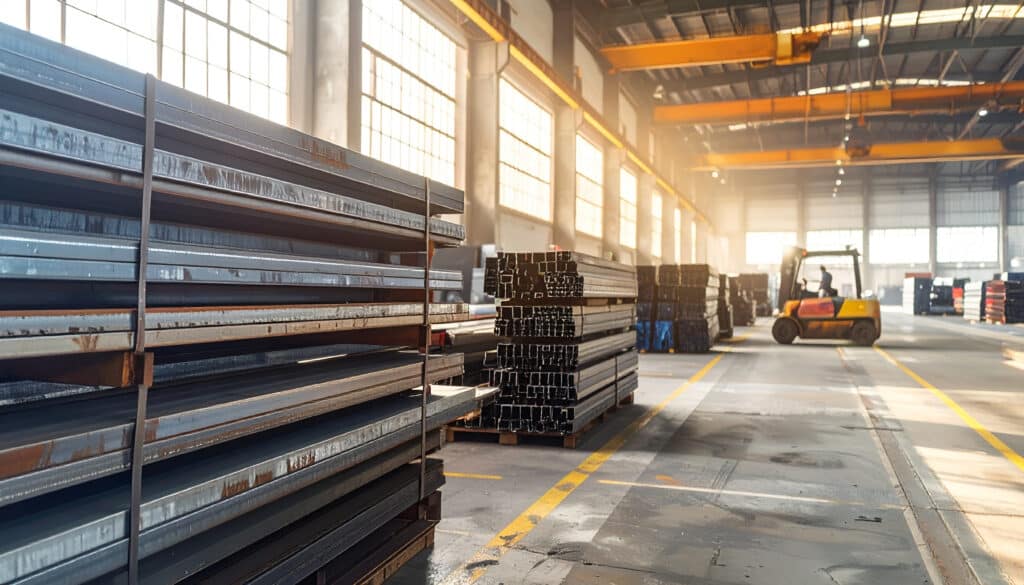
In fact, the most efficient warehouses often use forklifts and overhead lifting systems together. Each serves a distinct purpose within a comprehensive material handling strategy.
Forklifts remain ideal for moving palletized inventory throughout a facility. Overhead cranes, hoists, jib cranes, and gantry cranes excel when loads become heavier, larger, more valuable, or more difficult to handle safely.
As warehousing and logistics operations continue to evolve, facilities are looking for ways to improve productivity, maximize available space, and enhance workplace safety. By integrating overhead lifting solutions into their material handling processes, warehouse operators can create a safer, more efficient environment while expanding their ability to handle the demands of modern logistics.
Selecting the right lifting equipment is only part of building a safe and efficient material handling program. Ensuring employees understand how to operate, inspect, and recognize the limitations of that equipment is equally important. At Steel River Foundry, our experienced instructors and trusted training partners provide hands-on operator, inspector, and safety training for forklifts, overhead cranes, rigging equipment, aerial work platforms, and a wide range of industrial lifting equipment. Whether you’re qualifying new operators, strengthening inspection programs, or expanding your team’s capabilities, our practical training programs help organizations improve workplace safety, maintain regulatory compliance, and keep material moving efficiently throughout the facility.

